


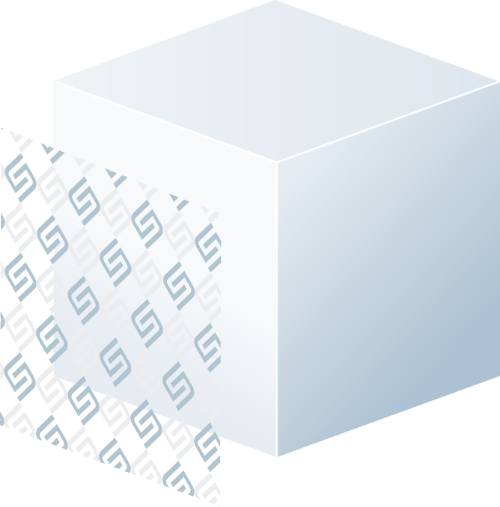
Low Thickness
Nanotechnological Heat Reflective Microcoating
for Energy Efficiency


What is a nanotechnological heat-reflecting microcoating?

CERTIFIED RESULTS
How does Low Thickness Microcoating work?
Since 2015 we have started to certify our individual products and application cycles with reference to the UNI EN 1934:2000 and ISO 9869-1 standards. These standards, recognized at EU and Italian level, have been specifically implemented by the external laboratory accredited by Accredia, which has subjected our materials to dozens of dynamic measurement tests, both on site and in the laboratory, determining the increase in thermal resistance of our cycles both individually and as a finished product and with different thicknesses, eliminating any measurement uncertainty.
This type of measurement has allowed us to improve and determine the performance of our cycles. These materials can be compared to new technical sports fabrics: they reflect heat while maintaining a constant temperature and preserving the breathability of the surfaces. The laboratory, using a hot chamber system, has determined not only the amount of heat that does not pass through the product system, but also the amount of heat reflected by the product cycle, determining a technical data called increase in resistance.
Low Thickness Cycles certifiable for energy interventions Superbonus 110, in addition to the facade bonus 90 and further tax breaks.
We produce 2 composite cycles:
NS67 Natural Lime e NS67 Cement Light
Our application protocol is developed in different technical phases, from measuring the stratigraphy of the walls to calculating the applicable thickness to reach the reference thermal K based on the climate zone. Case by case, for the drafting of a technical application report, an inspection by one of our technicians is required and the characteristics of the envelope will be evaluated (for example, cracks, mold, plaster) to then provide indications for the preparation of the bases and the application cycle.
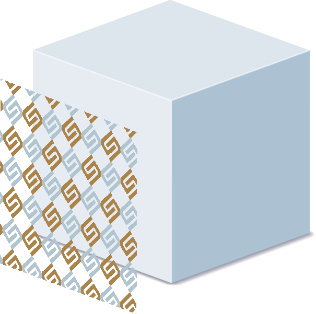
When to use Natural Lime NS67
- You live in a historic center and there are architectural and environmental constraints;
- The characteristics of the surface do not allow for thick interventions;
- You think that covering your home with plastic is not a current solution;
- When your choice wants to be technological and green.
The NS67 kit is a nanotechnological product composed of:



We use IR reflective pigments for highly durable technical characteristics.
How to apply
When to use NS67 Cement Light
- When it is not possible to increase the thickness of the walls;
- When the aesthetics cannot be changed;
- When normal high-thickness thermal insulation systems are not usable;
- When high-thickness systems force you to move thresholds, windowsills and balconies
- When your choice wants to be technological and green.
The NS67 kit is a nanotechnological product composed of:
Biocide Treatment, High Pressure Washing;

We use IR reflective pigments for highly durable technical characteristics.
How to apply

GUARANTEES

INSURANCE

TECHNICAL ASSISTANCE

CERTIFICATIONS
