


Removing mold from walls
Removing mold from walls
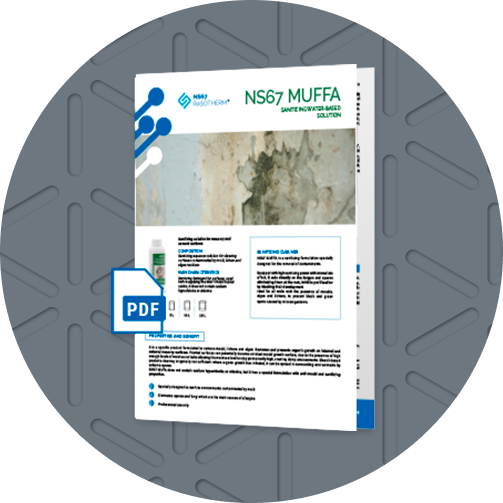
Sanitizing water-based solution to permanently remove mold from walls


UNI EN 1934:2000 and ISO 9869-1 Certifications for Energy Saving.
The products distributed by Nanosilv were the first micro coatings in Europe Certified according to UNI EN 1934:2000 and ISO 9869-1 for energy saving.
Benefits
- Unlike traditional products, NS67 Muffa does not contain sodium hypochlorite or chlorine, but it has a special formulation with anti-mould and sanitizing properties.
- To enhance its effectiveness, we recommend using an anti-mold product in combination with the sanitizing treatment specifically designed to remove bacteria.


GUARANTEES
Nanosilv has been working in the field of nanotechnology applied to construction for over 10 years.

INSURANCE
Ten-year post-work insurance that includes the replacement of the works and product insurance.

TECHNICAL ASSISTANCE
Assistance to the technical study for the certification of our materials.

CERTIFICATIONS
All products are made according to various standards including CE, UNI EN 1934:2000 and ISO 9869-1, using accredited third-party laboratories.